
The Data Room Checklist for Startup Fundraising
Investors Want a Data Room Before They Want a Second Meeting
A VC partner likes your pitch. The next message is not "let's meet again" - it is "can you send over your data room?" If you do not have one ready, you lose momentum. If you have one but it is disorganized, you signal that you run your company the same way.
A fundraising data room is a structured collection of documents - financials, legal, product metrics, corporate records - shared through a secure link with access controls. Investors review it during due diligence to verify what you presented in the pitch and assess risk.
The documents you include depend on your stage. A pre-seed company raising on a SAFE does not need the same depth as a Series A company with two years of revenue data. This checklist covers what belongs in your data room at each stage, organized by the categories investors expect to find.
A startup fundraising data room typically contains 15-30 documents organized in 5-7 folders. Investors expect secure access through a shared link - not email attachments or a Google Drive folder with "anyone with the link" permissions.
The Checklist by Category
1. Company Overview
Every data room starts here. These documents frame the story before investors look at the numbers.
| Document | Pre-Seed | Seed | Series A |
|---|---|---|---|
| Pitch deck | Required | Required | Required |
| Executive summary (1-2 pages) | Recommended | Required | Required |
| Company one-pager | Optional | Recommended | Required |
Pitch deck. The same deck you presented, or a more detailed version with appendix slides. Investors revisit it during due diligence to cross-reference claims against the financials and metrics.
Executive summary. A 1-2 page document covering the problem, solution, market size, traction, team, and funding ask. Useful when your deck circulates to partners who were not in the room for the pitch.
2. Financials
This is where investors spend the most time. Page-level analytics consistently show that financial documents receive 3-5x more viewing time than any other category in a data room.
| Document | Pre-Seed | Seed | Series A |
|---|---|---|---|
| Financial model (projections) | Recommended | Required | Required |
| Historical P&L (monthly) | If available | Required | Required |
| Current burn rate and runway | Required | Required | Required |
| Bank statements (last 3-6 months) | Optional | Recommended | Required |
| Revenue breakdown by stream | N/A | If applicable | Required |
| Unit economics (CAC, LTV, payback) | N/A | Recommended | Required |
Financial model. Cover at least the current year and two years forward. Investors care less about the specific numbers and more about how you think about your business - what drives revenue, where costs scale, what assumptions you make.
Historical P&L. Monthly, from inception. Show gross revenue through net income (or loss) with major expense categories broken out. If you are pre-revenue, show the expense side only.
Burn rate. Current monthly cash outflow and months of runway remaining. This is the first number many investors look for.
3. Cap Table and Previous Rounds
| Document | Pre-Seed | Seed | Series A |
|---|---|---|---|
| Cap table | Required | Required | Required |
| SAFEs or convertible notes | If applicable | Required | Required |
| Previous term sheets | N/A | If applicable | Required |
| 409A valuation (US companies) | N/A | Recommended | Required |
Cap table. A spreadsheet showing every shareholder, their ownership percentage, share class, and any outstanding options or warrants. Investors need this to model their ownership after the round. Include the option pool size and how much has been allocated.
SAFEs and convertible notes. Every outstanding instrument from previous rounds. Investors model how these convert to understand dilution. Missing a SAFE from a prior round is a red flag.
4. Legal and Corporate
| Document | Pre-Seed | Seed | Series A |
|---|---|---|---|
| Certificate of incorporation | Required | Required | Required |
| Bylaws or operating agreement | Recommended | Required | Required |
| IP assignment agreements | Recommended | Required | Required |
| Employee/contractor agreements | Optional | Recommended | Required |
| Material contracts (customers, partners) | N/A | If applicable | Required |
| Pending litigation | If applicable | If applicable | Required |
IP assignment. Documents proving that all intellectual property created by founders and early employees belongs to the company, not to individuals. This is one of the most common gaps in early-stage data rooms - and one of the most consequential.
Material contracts. Any agreement that represents more than 10% of revenue, grants exclusivity, or could restrict future operations. Investors look for customer concentration risk and unfavorable terms.
5. Product and Traction
| Document | Pre-Seed | Seed | Series A |
|---|---|---|---|
| Product roadmap | Recommended | Required | Required |
| Key metrics dashboard | If available | Required | Required |
| Customer list or logos (if B2B) | N/A | Recommended | Required |
| Product demo (video or link) | Recommended | Recommended | Optional |
Key metrics. The specific metrics depend on your business model:
- SaaS: MRR, MRR growth rate, churn rate, net revenue retention
- Marketplace: GMV, take rate, buyer/seller growth, liquidity
- Consumer: DAU/MAU, retention cohorts, engagement metrics
- Hardware/Deep Tech: development milestones, pilot results, LOIs
Present these as a dashboard or summary document, not raw spreadsheets. Monthly data for the last 12 months minimum.
Product roadmap. What you plan to build in the next 6-12 months and how it connects to your revenue model. Investors want to see that product development follows a strategy, not a feature wish list.
You do not need team bios or org charts. Investors use LinkedIn to research founding teams. A 40-page pitch deck with team bios on every slide is a common mistake - keep the data room focused on documents that require structured review.
What NOT to Include
Adding irrelevant documents dilutes the signal. These are common mistakes:
- Marketing materials (brochures, social media decks) - this is not a sales pitch
- Detailed 5-year projections - two years forward is credible at seed; five years is fiction
- Incomplete documents - a half-finished financial model is worse than none
- Outdated metrics - if your last dashboard is from six months ago, update it or remove it
- Confidential customer data - anonymize case studies and remove PII
Organize by Folder, Not by File Type
A flat list of 25 documents forces investors to search for what they need. Folders with clear category names let them navigate directly to the section they care about.
A proven structure:
/Company Overview
  Pitch Deck.pdf
  Executive Summary.pdf
/Financials
  Financial Model.xlsx
  Historical P&L.pdf
  Bank Statements Q4 2025.pdf
/Cap Table & Rounds
  Cap Table.xlsx
  SAFE - Angel Round.pdf
  SAFE - Pre-Seed.pdf
/Legal
  Certificate of Incorporation.pdf
  IP Assignment - Founder 1.pdf
  IP Assignment - Founder 2.pdf
/Product & Traction
  Key Metrics Dashboard.pdf
  Product Roadmap.pdf
  Customer Logos.pdf
Keep file names descriptive. "Financial Model - Acme Corp - March 2026.xlsx" beats "model_v3_final_FINAL.xlsx."
Aim for 5-7 top-level folders. Fewer than 4 suggests incomplete documentation. More than 10 suggests poor organization. Each folder should contain 2-6 documents.
Set Up Your Data Room with Access Controls
A Google Drive link with "anyone can view" permissions gives you zero visibility and zero control. An email with 25 MB of attachments gives the investor a bad experience and you no analytics.
A proper fundraising data room needs three things beyond the documents themselves:
Access controls. Password protection or email verification so only intended recipients can access the room. Consider requiring an NDA or confidentiality agreement before access - standard practice for Series A and later rounds.
Per-document analytics. Know which documents each investor reviewed, which pages they spent time on, and which they skipped. If a partner spent 12 minutes on your financial model and zero on your pitch deck, they already know your story - the follow-up should focus on the numbers. See how document analytics work for details on what you can track.
Link expiration. Fundraising rounds close. Data rooms should close with them. Set expiration dates that match your timeline. A link shared in March for a round closing in June should not still be active in December.
PaperLink handles all three. Create a folder structure, upload your documents, create a sharing link with access controls, and track engagement through the analytics dashboard. Different links for different investor groups - lead investors with download access and a 90-day window, associate analysts with view-only access and a 30-day expiration.
For a step-by-step setup guide, see Set Up a Data Room.
The Signal a Good Data Room Sends
A well-organized data room with complete documentation and proper access controls communicates something beyond the documents themselves. It tells the investor that you are organized, you take confidentiality seriously, and you respect their time. These are the same qualities VCs look for in the founders they back.
Disorganized data rooms - missing documents, outdated numbers, public Google Drive links - signal the opposite. The data room is a reflection of how you operate.
Set up your fundraising data room. For background on virtual data rooms and when to use them, see our guide to virtual data rooms. For a comparison of document sharing platforms, see DocSend vs PaperLink or browse alternatives to DocSend.
¿Listo para probar PaperLink?
Crea facturas, comparte documentos y gestiona tu negocio — todo en un solo lugar.
Publicaciones relacionadas
Virtual Data Rooms: Organize Documents for Due Diligence
What is a virtual data room, when you need one, and how to set one up. A practical guide covering access controls, analytics, and folder organization for due diligence.
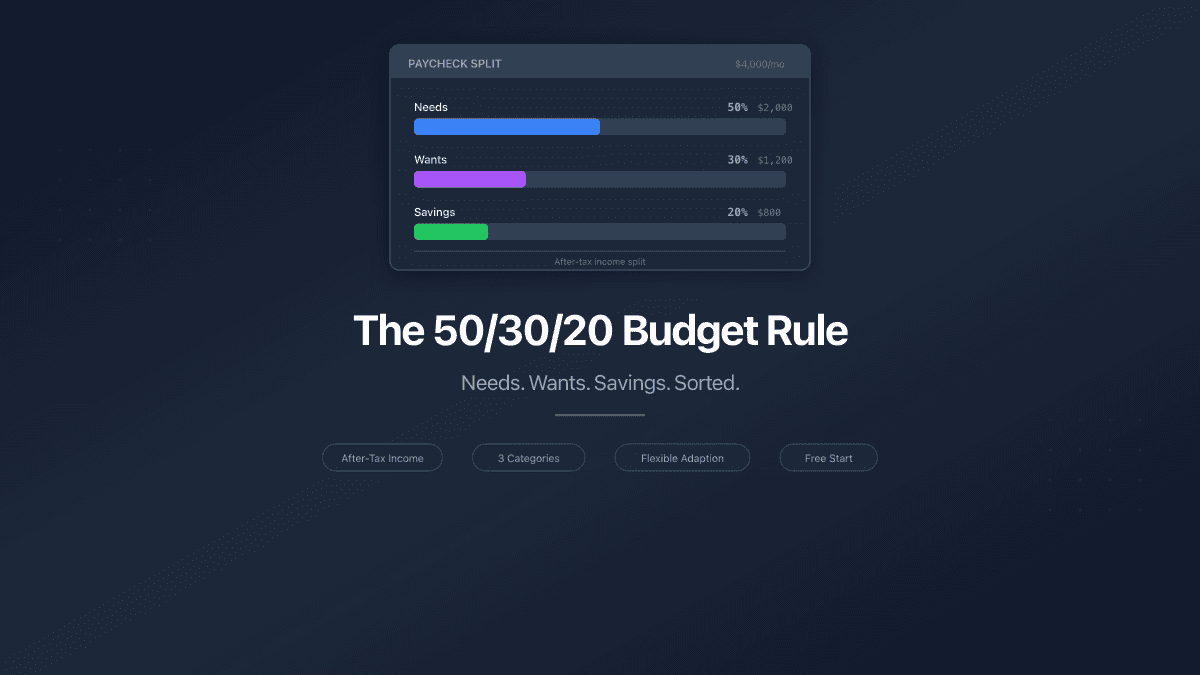
The 50/30/20 Budget Rule - How to Split Your Paycheck
The 50/30/20 budget rule splits after-tax income into needs, wants, and savings. Learn how to apply it, adapt it, and track your split.
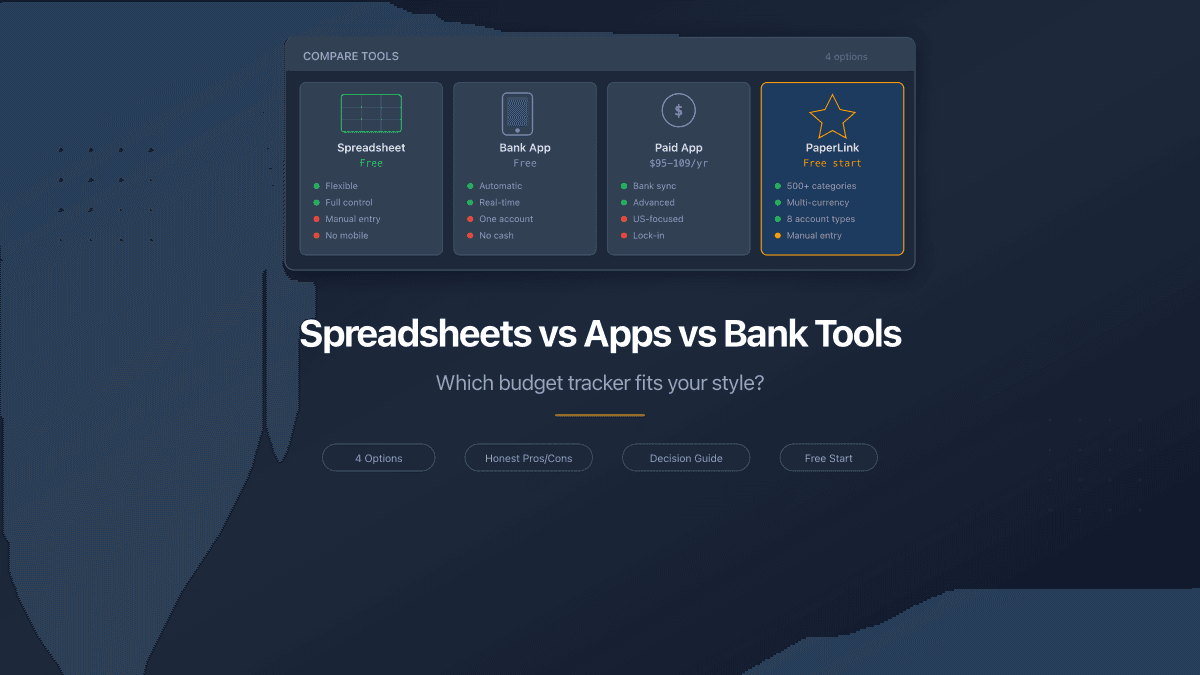
Spreadsheets vs Apps vs Bank Tools - Where to Track Money
Spreadsheets, bank apps, and dedicated budget tools compared honestly. Pros, cons, pricing, and which option fits your situation in 2026.