
How a Leasing Manager Can Rent Out Office Space Faster Using Document Analytics
Twelve Offices, One Catalog, One Tour Slot
A leasing manager at a business center prepares a PDF catalog for a prospective tenant - a growing fintech company looking for 200-400 square meters. Twelve available spaces: open-plan layouts, private office suites, different floors, different price points. The manager emails the catalog and follows up three days later.
"We're still evaluating options across several buildings." That is all the tenant says. No indication of which space they prefer, what layout they want, or whether the budget works. The leasing manager has no way to prioritize. So they suggest a two-hour tour of five floors and hope something clicks.
Commercial tenants typically evaluate 5 to 15 spaces simultaneously across multiple buildings. They compare layouts, floors, amenities, and lease terms - often with three or four people involved in the decision. The leasing manager who waits for verbal feedback is competing blind against every other property the tenant is considering.
There is a different approach: let the catalog tell you what the tenant will not.
How It Can Work: Floor 7 Stands Out
The same leasing manager uploads the office catalog to PaperLink and sends a tracked link instead of an email attachment. The tenant opens it in the browser - no app, no login.
Over five days, PaperLink records every interaction with the catalog:
| Page | Space | Views | Total time | Pattern |
|---|---|---|---|---|
| 1 | Private office, 180m², floor 2 | 1 | 8 sec | Skipped |
| 2 | Private office, 220m², floor 3 | 1 | 12 sec | Skipped |
| 3 | Open-plan, 250m², floor 3 | 2 | 35 sec | Glanced |
| 4 | Private office, 300m², floor 5 | 1 | 10 sec | Skipped |
| 5 | Open-plan, 280m², floor 5 | 2 | 50 sec | Some interest |
| 6 | Private office, 350m², floor 6 | 1 | 15 sec | Skipped |
| 7 | Open-plan, 320m², floor 7 | 7 | 5 min 10 sec | Kept returning |
| 8 | Open-plan, 400m², floor 7 | 3 | 1 min 40 sec | Moderate interest |
| 9 | Private office, 380m², floor 9 | 1 | 6 sec | Skipped |
| 10 | Open-plan, 420m², floor 10 | 1 | 20 sec | Glanced |
| 11 | Private office, 450m², floor 11 | 1 | 5 sec | Skipped |
| 12 | Executive suite, 500m², floor 12 | 1 | 8 sec | Skipped |
Three signals are visible at a glance.
Layout preference. The tenant skipped every private office option in under 15 seconds. All their attention went to open-plan spaces. This is not ambiguity - it is a clear pattern. The follow-up should not include private offices.
Floor preference. Pages 7 and 8 - both on floor 7 - account for nearly seven minutes of total viewing time. The tenant spent 5 minutes and 10 seconds on page 7 alone, returning to it seven times across four sessions. Floor 7 is not a passing interest. It is where they picture their team working.
Budget signal. The 320m² space (page 7) received more attention than the 400m² option on the same floor (page 8). The tenant looked at the larger space but kept returning to the smaller one. This suggests a budget constraint, a team size that fits 320m², or both.
From Data to a Targeted Tour
The leasing manager calls the tenant's office manager on Monday:
"I noticed your team has been reviewing the catalog. Based on the options that seem to fit best, I would suggest we tour the open-plan space on floor 7 - the 320 square meters. I can also show you the 280m² on floor 5 as a backup. Would Thursday at 2 PM work?"
Compare this to: "Would you like to come in and tour a few floors? We have availability on Tuesday and Thursday."
The first message is specific, prepared, and respects the tenant's time. The second is generic and signals that the leasing manager has no insight into the tenant's needs.
A focused tour of one or two spaces takes 30 minutes. A five-floor walkthrough takes two hours and often confuses rather than clarifies. Tenants who evaluate multiple buildings do not have two-hour slots for each one - the manager who makes the process efficient has an advantage.
Send separate tracked links to different people involved in the decision - the COO, the office manager, the founder. Each link records engagement independently. If the COO keeps returning to the executive suite while the office manager prefers the open-plan, you know there is an internal conversation to anticipate.
Four Behavioral Patterns That Predict Leasing Decisions
After tracking enough catalog interactions, certain patterns become reliable indicators:
1. Layout preference is binary. Tenants who want open-plan spaces skip private offices within seconds. The reverse is also true. Unlike residential buyers who might consider both an apartment and a townhouse, commercial tenants usually know what workspace configuration they need. Three seconds on a page means "no" - it is not indecision.
2. Floor choice reflects company identity. Higher floors signal status and executive presence. Lower floors signal convenience and client accessibility. When a tenant returns to a specific floor multiple times, the location matters to them beyond the square footage. A law firm on floor 12 sends a different message to clients than the same firm on floor 2.
3. Price sensitivity shows up as repetition. A tenant who visits the cheapest qualifying option four times has a budget constraint - whether or not they mention it. If they also view a more expensive space once without returning, they know what they want but are checking whether they can afford the upgrade. The leasing manager can proactively prepare two lease proposals: one at the preferred price point and one with flexible terms for the aspirational space.
4. Multiple viewers mean a committee decision. When three different people from the same company view the catalog - each spending time on different pages - the decision involves trade-offs between stakeholders. The leasing manager who understands each person's priorities can tailor the conversation. The CFO cares about cost per square meter. The COO cares about layout and team flow. The founder cares about the address.
Preparing Lease Terms Before the Call
The deepest advantage of document analytics is not scheduling the right tour - it is arriving at the negotiation already knowing what matters to the tenant.
When the leasing manager sees that the tenant spent five minutes on the 320m² open-plan on floor 7, they can prepare before making the call:
- Draft lease terms for that specific space, including move-in timeline and fit-out options
- Calculate flexible pricing - if the budget signal is clear, prepare a 12-month and 24-month option at different rates
- Identify the upgrade path - if the tenant also looked at the 400m² space, note it as a potential expansion option in year two
- Pull comparable leases for the same floor to support the pricing conversation
This preparation would normally happen after the tour, after the tenant expresses interest verbally, and after one or two follow-up meetings. Analytics compress that timeline. The leasing manager walks into the first real conversation already knowing the tenant's likely preference, approximate budget range, and layout requirements.
PaperLink records page-level viewing analytics - including time per page, return visits, and session frequency - for every shared document. Analytics are available on the free plan.
Why This Works Better Than CRM Lead Scoring
Most commercial real estate CRMs score leads based on actions like email opens, form submissions, website page visits, and inquiry history. These signals are useful but coarse. An email open tells you the tenant is alive. A form submission tells you they are interested in something. Neither tells you what they want.
Page-level document analytics are granular because they track behavior inside the content that contains the actual options. The tenant is not browsing a website - they are studying specific spaces with specific prices on specific floors. The engagement data maps directly to inventory.
A lead score might say "high intent." Page analytics say "320m², open-plan, floor 7, budget-sensitive, four return visits in three days." The second is actionable.
Setting This Up for Your Portfolio
The workflow takes under five minutes per property:
-
Create a PDF catalog per building. One page per available space - floor plan, photos, square footage, price range, key amenities. Twelve spaces means twelve pages.
-
Upload to PaperLink. See Upload Documents for the upload flow.
-
Enable email verification. When the tenant enters their email before viewing, every page view is tied to their identity. You know the company COO - not a random forwarded link recipient - spent five minutes on floor 7.
-
Send unique links per prospect. Each tenant gets their own tracked link for the same catalog. Engagement data stays separate. You see that Tenant A favors floor 7 while Tenant B favors floor 3 - from the same catalog.
-
Review the analytics dashboard. Check page-by-page engagement before every follow-up call. Prioritize tenants showing return-visit patterns - they are actively deciding.
The Leasing Manager Who Knows First, Wins
Office vacancy rates in major markets have been declining since late 2025 as companies finalize hybrid work policies and commit to space. But leasing cycles remain long - three to six months from first inquiry to signed lease is common for mid-size office spaces. Every week the space sits vacant costs rent.
The leasing manager who identifies the tenant's preference after the first catalog send - not after the third tour - compresses that cycle. A targeted tour converts faster than a building walkthrough. Prepared lease terms close faster than "I'll send you some options next week." A follow-up that names the specific space the tenant studied builds trust that a generic check-in does not.
Upload your office catalog, send a tracked link, and let the analytics show you which space to tour - before the tenant tells you.
Share your first tracked document. For the full analytics breakdown, see Track Who Viewed Your Shared Documents. For a residential real estate use case, see How a Real Estate Agent Can Close a Deal Using Page Analytics. For proposal tracking, see How to Send a Business Proposal That Gets Read.
Prêt à essayer PaperLink ?
Créez des factures, partagez des documents et gérez votre activité — tout en un seul endroit.
Articles similaires

How a Real Estate Agent Can Close a Deal Using Page Analytics
A real estate agent sends a PDF with 10 apartments. Page-by-page analytics reveal which one the buyer keeps revisiting. That insight can close the deal.
The 50/30/20 Budget Rule - How to Split Your Paycheck
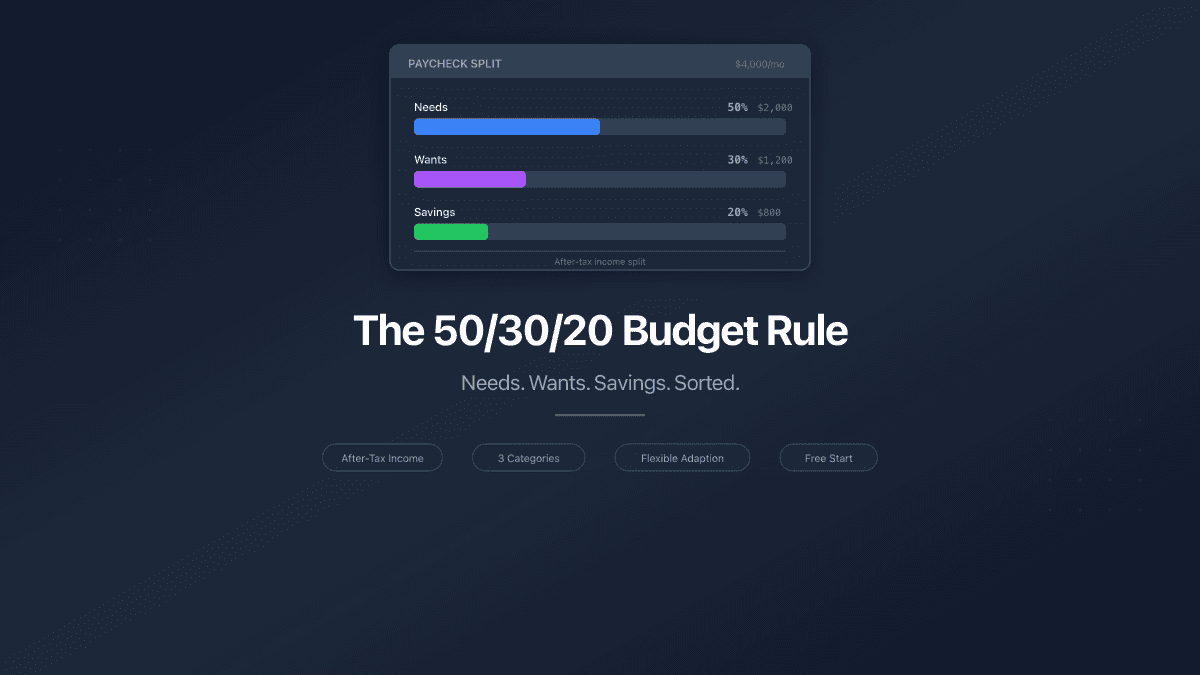
The 50/30/20 budget rule splits after-tax income into needs, wants, and savings. Learn how to apply it, adapt it, and track your split.
Spreadsheets vs Apps vs Bank Tools - Where to Track Money
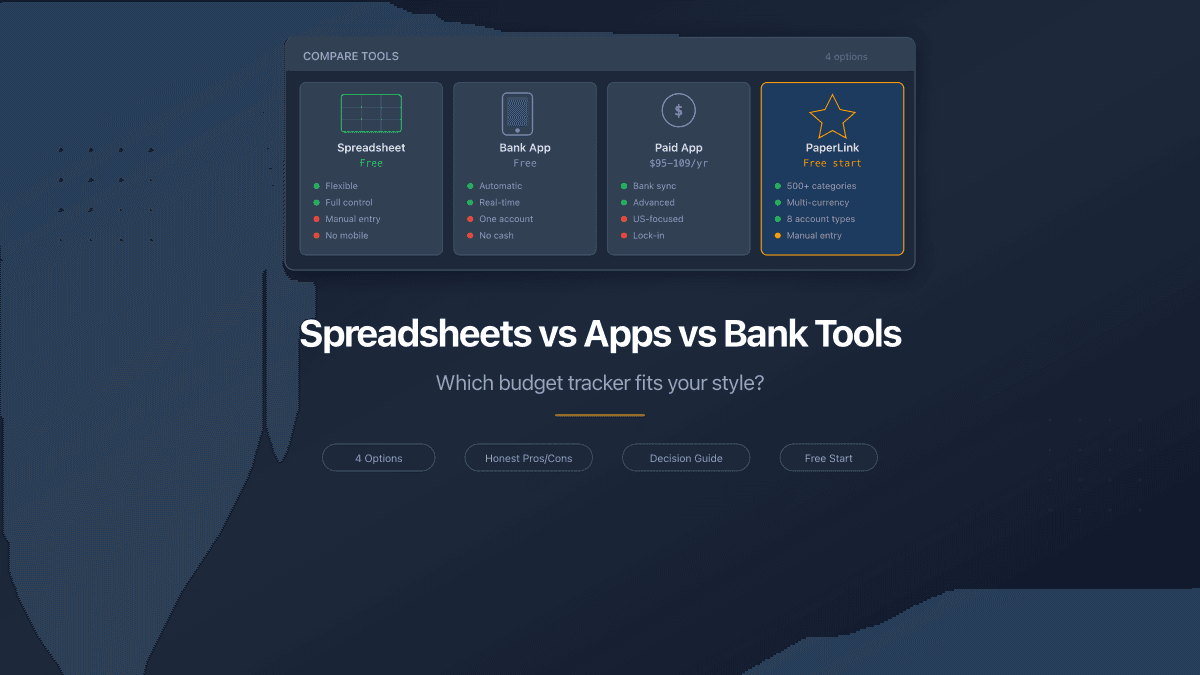
Spreadsheets, bank apps, and dedicated budget tools compared honestly. Pros, cons, pricing, and which option fits your situation in 2026.